
Used Western Saddles for Sale: Build a Better Shortlist
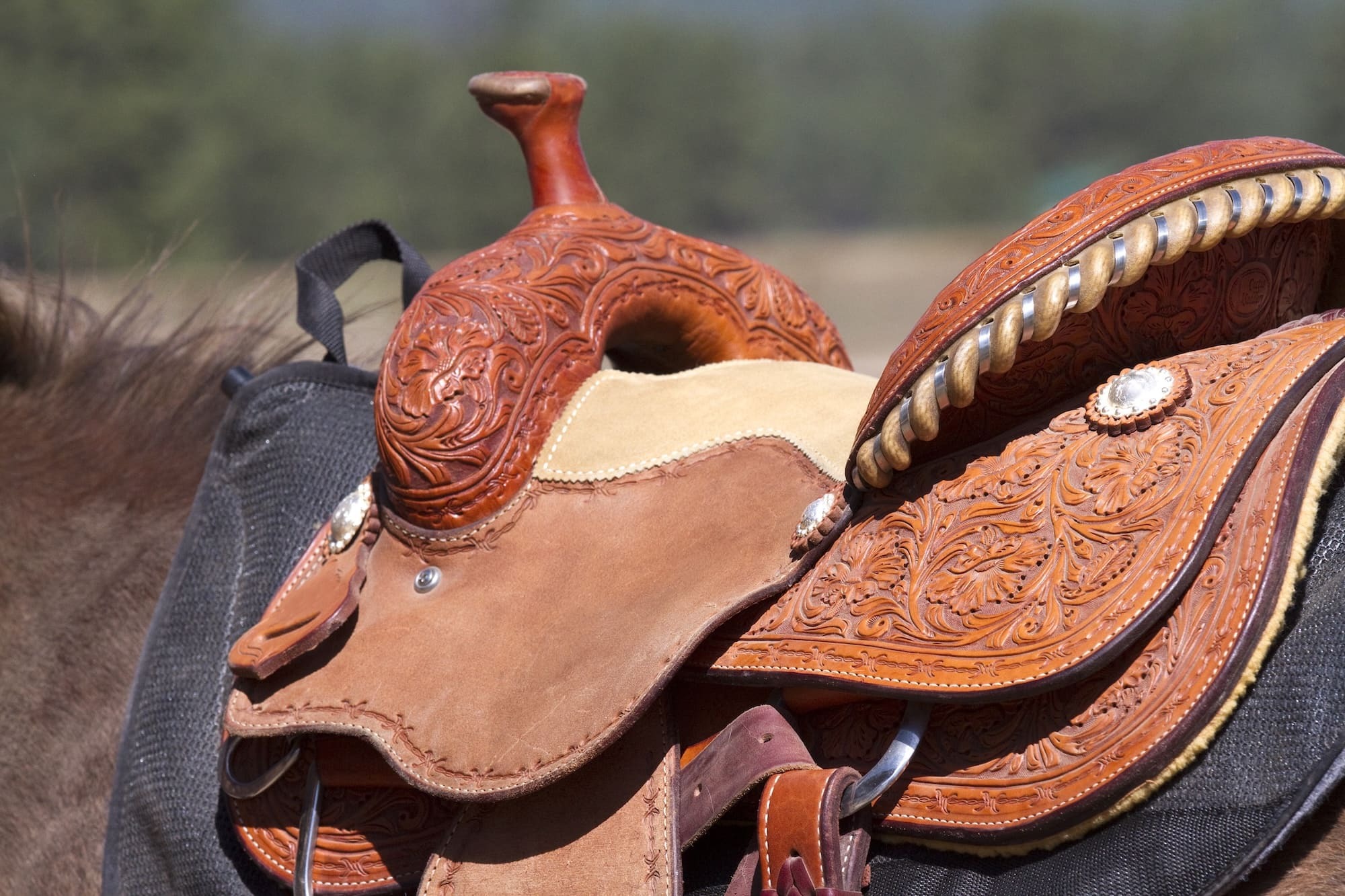
A good-looking photograph can earn a saddle a place on your shortlist, but it cannot finish the buying decision. When comparing used western saddles for sale, organize the search around riding purpose, the condition of the individual saddle, and a proper fit evaluation. Keeping those questions separate makes it easier to see what a listing answers and what still needs checking.
Used equipment carries its own history, and that history may be only partly documented. An attractive price is useful only if the saddle is suitable for the intended work and acceptable for horse and rider. Begin with a short buying brief before saving a long list of possibilities.
Describe the riding you actually do
Write down the primary activity the saddle needs to serve. Trail riding, barrel racing, and ranch work are different assignments. Ask an experienced saddle professional to help identify suitable designs if you are uncertain about the requirements.
Include how the equipment will be handled outside the ride. Consider lifting it, transporting it, and storing it at the barn. A saddle that seems manageable on a display stand still needs to work with the rider’s regular routine.
Give the seller useful information about the horse and rider without trying to diagnose fit from a few measurements. Describe the current saddle and the reason for replacing it. Distinguish confirmed information from concerns that need an in-person assessment.
Set a budget for the complete purchase rather than the listed saddle alone. Include any necessary evaluation, shipping, or replacement equipment. Leave room to decline a tempting offer if the total cost or unresolved questions no longer suit the plan.
Compare the actual saddle behind the listing
Record the listing identifier, maker, model information, and stated size for each candidate. Ask for photographs of identifying marks where they are available. Keep the seller’s answers attached to that specific saddle so details do not become mixed between listings.
Request clear current photographs from several angles. The underside, rigging, stirrup leathers, and visible stitching deserve attention alongside the decorative surfaces. Photos can help identify questions, but they cannot establish the condition of every hidden component.
Ask what repairs, alterations, or replaced parts are known. If the seller does not know the history, record that uncertainty. A missing history should not be filled with an assumption that the saddle has had light use.
Separate cosmetic wear from questions requiring professional inspection. Do not judge structural condition from polished leather or a familiar maker’s name. Have a qualified saddle professional assess concerns before the equipment is used.
Arrange a fit evaluation for both horse and rider
Treat a listed seat size as a starting reference, not a complete answer. Discuss the particular design with a fitter and evaluate the individual saddle. A previous purchase with the same stated size does not establish that another model will feel the same.
Horse fit is a separate question from rider preference. Ask the fitter to assess the proposed saddle with the intended horse and riding setup. Avoid choosing from a single width label, photograph, or measurement without the broader evaluation.
Bring the equipment the fitter asks to see, including the intended pad where appropriate. Do not assume that adding padding will resolve a fit concern. Ask for the problem and any proposed adjustment to be explained before proceeding.
If a ridden evaluation is appropriate, arrange it only after the saddle’s condition and initial fit have been assessed. Follow the professional’s guidance and the seller’s trial rules. Stop the evaluation if a concern arises rather than pushing through to justify a purchase.
Read trial terms before making plans
Find out whether the individual saddle is eligible for a trial or return. Local trials and shipped purchases may have different arrangements. Ask for the terms that apply to your transaction rather than relying on a general statement elsewhere on the website.
Confirm when the allowed period begins and what condition the saddle must remain in. Ask about permitted use, return authorization, shipping responsibility, and any applicable fees. Arrange the professional evaluation within that schedule before the saddle arrives.
Keep a brief comparison record for each candidate:
- Its listing identifier and confirmed description.
- Known repairs and unanswered condition questions.
- The proposed horse-and-rider fit evaluation.
- Included equipment and additional costs.
- Written trial or return conditions.
If the timing does not allow a meaningful evaluation, discuss that before paying. Do not assume that a missed deadline will be extended. A clear purchase arrangement gives the buyer a practical way to act on the assessment.
Choose the evidence that matters most
Return to the buying brief when comparing used western saddles for sale. Which candidate has the clearest condition information, a suitable design, and an acceptable fit assessment? Decorative details and discounts can help decide between suitable options, but should not replace those requirements.
Before finalizing the purchase, confirm exactly what is included. Pads, cinches, and other pictured items may need separate clarification. Keep the receipt, listing description, inspection findings, and written terms together for future reference.
When contacting Saddle Up, share the riding brief and identify the specific used saddles you want to discuss. Ask about individual condition, fitting arrangements, and the current terms for your purchase. The aim is a considered choice based on the actual equipment and the horse-and-rider combination, with open questions resolved before regular use.